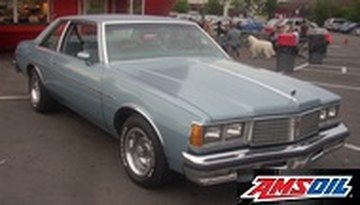
Maintaining Lubrication Standards for the 1981 Pontiac LAURENTIAN 5.7L Diesel
Proper engine maintenance for a diesel-powered vehicle requires a disciplined approach to fluid management and regular system inspections. For an owner of a 1981 Pontiac LAURENTIAN equipped with the 5.7L diesel engine, understanding the specific needs of this powertrain is essential for long-term operational stability. Because diesel engines operate under different mechanical stresses than gasoline counterparts, focusing on high-quality lubrication and consistent monitoring can help manage the aging components of a vehicle from this era.Monitoring Fluid Integrity and Condition
One of the most effective ways to monitor the health of the 5.7L engine is through regular observation of the lubricant itself. When performing routine checks, the appearance and consistency of the oil can provide significant clues regarding the internal state of the engine. If the oil appears excessively dark or has a gritty texture, it may indicate that the filtration system is struggling or that the service interval has been exceeded. Furthermore, any sudden changes in the lubricant's color or smell warrant immediate investigation. For instance, if the oil takes on a milky appearance, this can be associated with coolant entering the lubrication system, which requires professional diagnostic attention to identify the source of the contamination. Beyond just checking the dipstick, owners should look for signs of external seepage. Inspecting the area around the engine block and various sealing surfaces for any evidence of fluid leakage is a vital part of routine service. While minor seepage can occur as gaskets and seals age, identifying these areas early allows for better management of fluid levels and prevents more significant issues caused by low lubrication.Systematic Inspection of Aging Components
As vehicles from the early 1980s continue to operate, certain peripheral components require closer attention due to the natural degradation of materials over time. When performing maintenance on a 1981 Pontiac LAURENTIAN, it is practical to adopt a condition-based inspection strategy rather than relying solely on chronological age. If equipped, accessible drive belts should be examined for signs of wear such as cracking, glazing, or fraying. Similarly, if the vehicle is equipped with various rubber hoses, these should be checked for softness, swelling, or brittleness. Such components are subject to heat cycles that can eventually compromise their structural integrity. Electrical connections and wiring harnesses also benefit from periodic inspection. Ensuring that connectors are clean and free of corrosion helps maintain the reliability of engine sensors and other electrical systems. By addressing these smaller components during routine oil service, an owner can prevent unexpected interruptions in vehicle operation.Establishing a Maintenance Baseline
For many owners of classic or older vehicles, the complete service history may not always be readily available. In such cases, establishing a maintenance baseline is a critical first step. This involves performing a thorough inspection of all fluids and mechanical components to determine the current state of the vehicle. If you are unsure when the last oil change or filter replacement occurred, treating the current service as a "reset" point is highly beneficial. Documenting the results of your initial inspections—noting any existing leaks, the condition of belts, or the clarity of the fluids—creates a reference point for all future maintenance. Keeping detailed records of every service performed, including the specific products used and any parts replaced, is invaluable. This documentation not only assists in tracking the vehicle's needs but also provides a clear history of care that can be useful if the vehicle is ever evaluated by a mechanic or a potential buyer. A well-documented history is often the best indicator of how a vehicle has been treated throughout its lifespan.Prioritizing Service Tasks
Effective maintenance is not just about performing tasks, but about performing the *right* tasks at the right time. Rather than attempting to replace every aging component at once, owners should prioritize their efforts based on observed conditions and potential risks. The most effective hierarchy of maintenance usually begins with addressing active issues. If a visual inspection reveals an active fluid leak or if a warning indicator is present, these should be investigated and resolved before moving on to preventive tasks. Once the immediate operational integrity is confirmed, attention can shift toward preventive measures, such as replacing aging belts or hoses that show early signs of deterioration. Distinguishing between necessary repairs and unnecessary parts replacement is key to efficient ownership. A component that shows no signs of wear or failure does not necessarily require replacement simply because of its age. By focusing on the actual condition of the 5.7L engine and its accessories, an owner can manage maintenance costs effectively while ensuring the vehicle remains reliable.Observing Potential Warning Signs
While many issues can be caught during a routine visual inspection, some symptoms may only manifest during vehicle operation. Being attentive to how the 1981 Pontiac LAURENTIAN behaves can provide early warnings of mechanical changes. Unusual noises coming from the engine compartment should never be ignored. While some sounds are normal for older diesel engines, any new or rhythmic knocking, clicking, or whistling may indicate a need for professional inspection. Similarly, changes in how the engine starts or runs—such as difficulty starting when cold or an inconsistent idle—can be associated with various fuel, air, or lubrication issues. It is also important to monitor exhaust characteristics. While diesel engines naturally produce different exhaust profiles than gasoline engines, any sudden increase in smoke density or a change in color can be a sign that something in the combustion or lubrication process requires attention. Always remember that these symptoms can have multiple underlying causes; therefore, they should be treated as prompts for investigation rather than definitive diagnoses of a specific failed part.Buying Engine Oil for your 1981 Pontiac LAURENTIAN 5.7L
When it is time to replenish the lubrication in your engine, accuracy in product selection is paramount. Because different engines have unique requirements regarding additive packages and base oils, you must ensure that any lubricant you purchase is appropriate for this specific diesel application. To ensure the correct match, always refer to the vehicle-specific oil viscosity and application information provided on this webpage. Do not rely on general automotive knowledge or assumptions based on the engine's displacement to select a grade. Instead, use the exact specifications listed in the application data above to guide your purchase. When shopping for products, consider the following practical steps:- Match the lubricant to the specific viscosity information displayed in the application section of this page.
- Check the product packaging to verify that it meets the necessary quality standards and certifications required for diesel engines.
- If you are looking for specialized formulations, such as high-mileage oils, be aware that some contain additives intended for use in aging engines, including seal-conditioning agents.
- Always verify the information on the bottle against the application details provided here before completing your purchase to avoid using an incorrect lubricant.